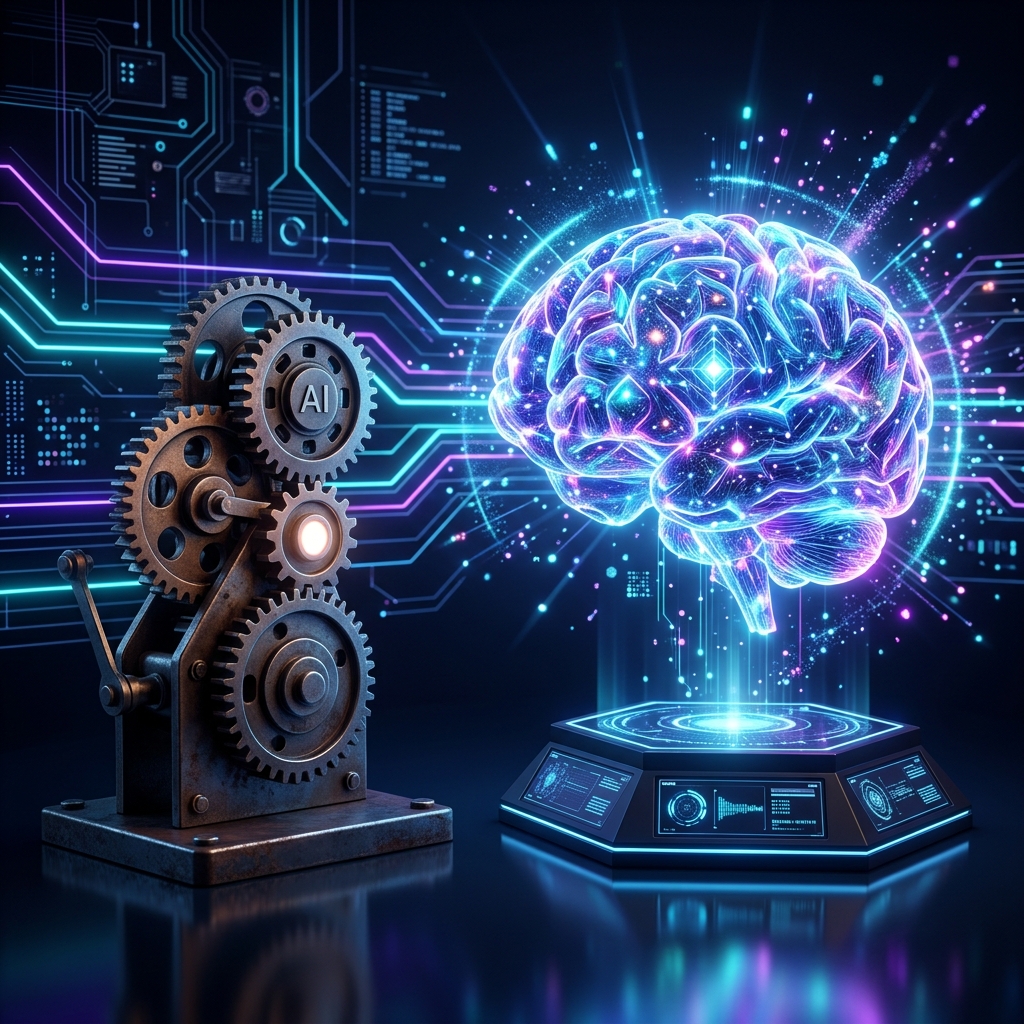
Many business owners try basic chatbots and quickly abandon them when they fail to deliver results. The core issue is deploying a simple rule-based system when the business actually requires a dynamic AI agent. Understanding the difference between a chatbot and an AI agent is crucial for maximizing your technology investment.
The Limitations of a Standard Chatbot
A traditional chatbot relies entirely on pre-written scripts and if-then logic. It functions as an interactive menu. The moment a customer asks a complex question outside the programmed path, the chatbot breaks down. This often leads to frustrating user experiences and lost sales opportunities.
The Power of an AI Agent
An AI agent understands natural language and maintains the context of the entire conversation. If a customer asks for a customized bulk order quote including shipping to a specific state, the AI agent can check inventory, calculate logistics costs, apply volume discounts, and generate a precise quote directly within WhatsApp.
- Chatbots follow rigid paths. AI agents understand buyer intent and nuance.
- Chatbots present button menus. AI agents hold natural, free-flowing conversations.
- Chatbots fail on unexpected questions. AI agents adapt and find the right answers.
- Chatbots require manual updates. AI agents continuously improve their knowledge base.
- Chatbots frequently require human intervention. AI agents resolve most queries independently.
Want AI automation for your business?
Get a free 30-minute consultation with the Digit Global team to identify processes you can automate today.
Book a free callA Real-World Comparison
A furniture manufacturer initially used a basic chatbot to handle WhatsApp inquiries. Most conversations ended with frustrated customers calling the support line directly. After switching to a custom AI agent, the system successfully handled the vast majority of interactions end-to-end, including custom quotations and delivery estimates. Customer satisfaction improved significantly.
Evaluating the Investment
While advanced AI agents require a higher initial investment compared to basic chatbots, the return is substantially greater. The hidden costs of a poor chatbot experience include lost customers and the heavy reliance on human support staff. An AI agent is a revenue-generating asset that reduces overhead.
Making the Right Choice
If you only need to answer a few static FAQs, a basic chatbot might suffice. However, if your customers ask varied questions, require personalized quotes, or if you want the system to actually close sales, an AI agent is essential. For growing Indian businesses, investing in smart automation is the key to scaling efficiently.
SHARE THIS ARTICLE